
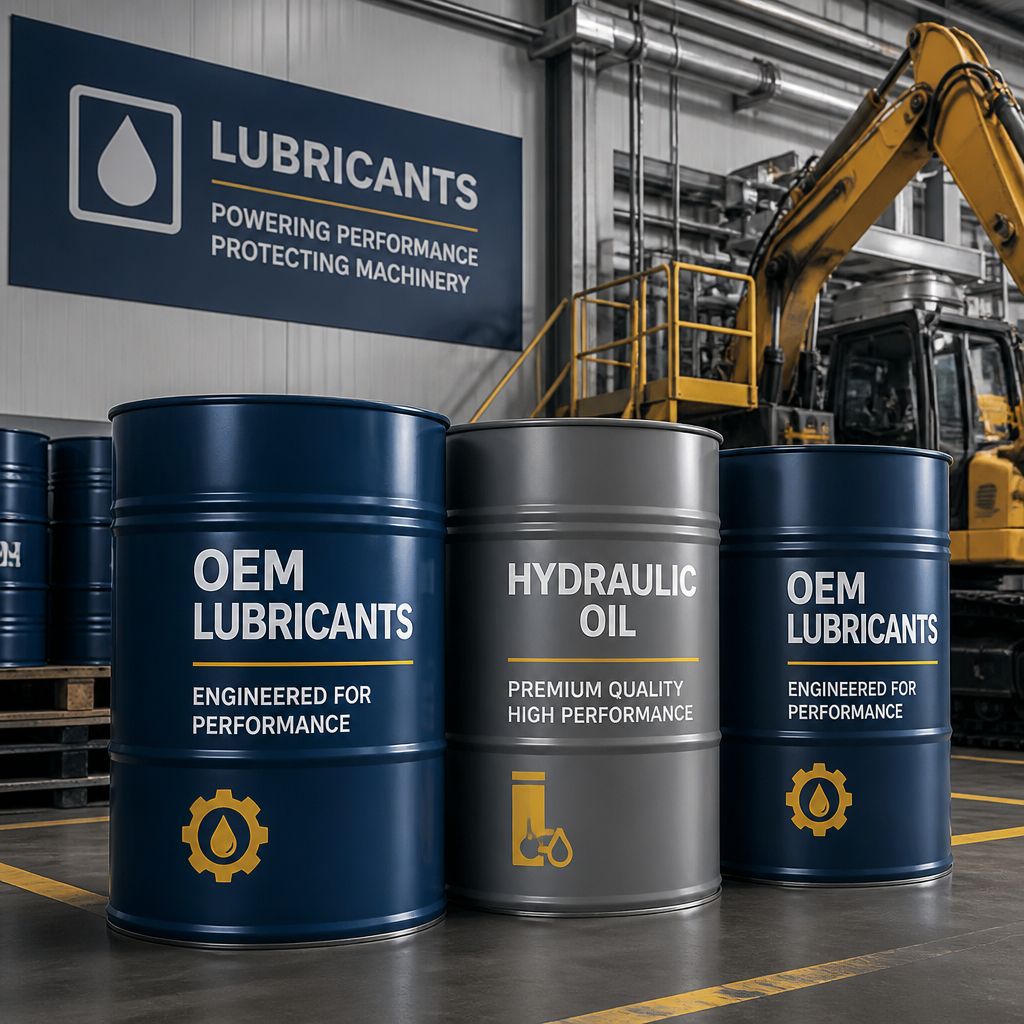
Most new brand owners treat the name as a formality — something to settle quickly so the real work of finding a factory can begin.
That's backwards. Once a name is printed on a first production run, registered with a factory, and put in front of the first distributor, changing it is expensive and confusing for everyone who already knows the old one. A product formulation can be adjusted between batches. A brand name, in practice, usually can't.
Why the Name Matters More Than New Owners Expect
A garage owner deciding what to stock, a dealer choosing what to display, and a driver asking for oil by name all interact with the brand through one thing first: what it's called. Before a customer ever opens the bottle, the name has already done — or failed to do — its job.
It also has to survive translation and pronunciation across every market the brand touches, including export markets far from where it launched.
What Makes a Lubricant Brand Name Work
- Easy to say and remember. If a mechanic can't say it out loud with confidence, they won't recommend it to a customer.
- Distinct from viscosity codes and generic terms. "5W-40 Super Oil" describes a product, not a brand — and it can't be trademarked or defended.
- Works in Vietnamese and in export markets. A name that sounds premium in Vietnamese but is awkward to pronounce or means something unintended elsewhere limits growth later.
- Room to grow beyond the first product. A name built entirely around "motorcycle oil" boxes the brand in if it later expands into diesel engine oil or industrial lubricants.
Common Naming Mistakes
- Choosing something too descriptive. Descriptive names are forgettable and hard to protect legally.
- Landing too close to an existing brand. Beyond the trademark risk, it signals imitation rather than a brand with its own identity.
- Picking a name the team likes without testing it on the actual customer. A name that sounds sophisticated in a meeting room can fall flat with a garage mechanic.
- Skipping a trademark and domain check before committing. Finding out a name is already registered after labels are printed is one of the most expensive mistakes a new brand can make.
A Simple Way to Test a Name Before You Commit
Say it out loud to someone outside the project — ideally someone who fits the target customer profile. Ask them to repeat it back five minutes later without looking. If they can't, a mechanic under time pressure at a busy counter won't either.
Then check it against three things: is it free to trademark in your target markets, is the domain and social handle available, and does it still make sense if the product line grows beyond what you're launching first?
How DA Global Sourcing Supports Naming and Branding Decisions
Naming isn't something we hand off to a designer at the end of the process — it's part of the same conversation as positioning, product line planning, and factory selection, because all four decisions depend on each other.
We help brand owners pressure-test a name against the market it actually has to work in, before it's printed on a single label or committed to a production run. Getting it right early is far cheaper than fixing it after the first container has shipped.