
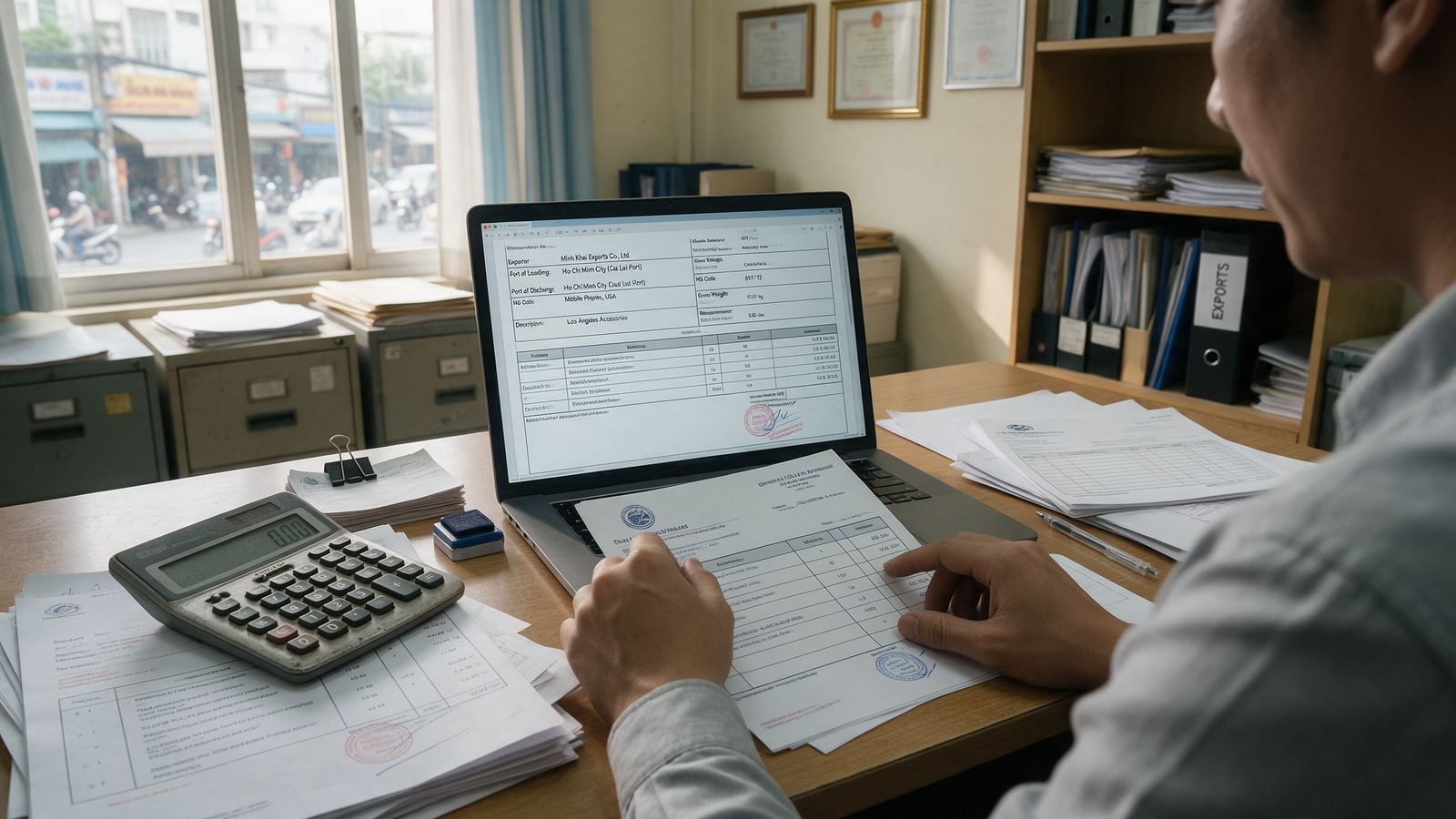
Many small and mid-sized businesses have a real need to import or export — but have never had an import-export department, and aren't sure where to start: unfamiliar with HS codes, unclear on Incoterms, never worked with a freight forwarder, and worried that a procedural mistake will get their goods held at port.
No Department Doesn't Mean No Import/Export
Many companies assume they must hire a dedicated import-export team before they can even attempt their first shipment. In reality, if your volume isn't yet large enough to justify a fixed department, outsourcing this function is the far more practical choice — both in cost and in how quickly you can get started.
What a First-Time Importer Needs to Prepare
- Clearly define the product, specifications and expected quantity
- Check whether the product is restricted/banned or requires a specialized license
- Determine the HS code to know the duty rate and any specialized inspection requirements
- Have a clear overseas supplier or buyer, or request help finding one
- Budget for the goods, international shipping, and costs that arise at port
What DA Global Sourcing Handles
Instead of hiring staff and spending months on training, a business can hand the whole process to DA Global Sourcing: checking import/export policy, determining HS code and duties, finding a supplier if needed, negotiating the contract, checking documents, booking shipping, filing customs declarations and handling C/O, all the way through to delivery at your warehouse. One point of contact for everything.
When to Build In-House vs. When to Outsource
If your volume is already large and stable — several containers a month, year-round — building an in-house team may pay off long-term. But if demand comes in irregular batches, is seasonal, or you want to test a new product before committing to a full build-out, outsourcing lets you start immediately without carrying fixed costs.
Frequently Asked Questions
What should I prepare before contacting you for my first import?
Just describe the product, expected quantity, and (if you have one) your supplier — we'll advise on the rest.
Is outsourcing more expensive than doing it in-house?
For small-to-medium volumes, outsourcing is usually cheaper since it's billed per actual project, not as a department's fixed cost.
What if my volume grows later?
The service model scales with your needs — no need to switch providers or rebuild your process as you grow.