
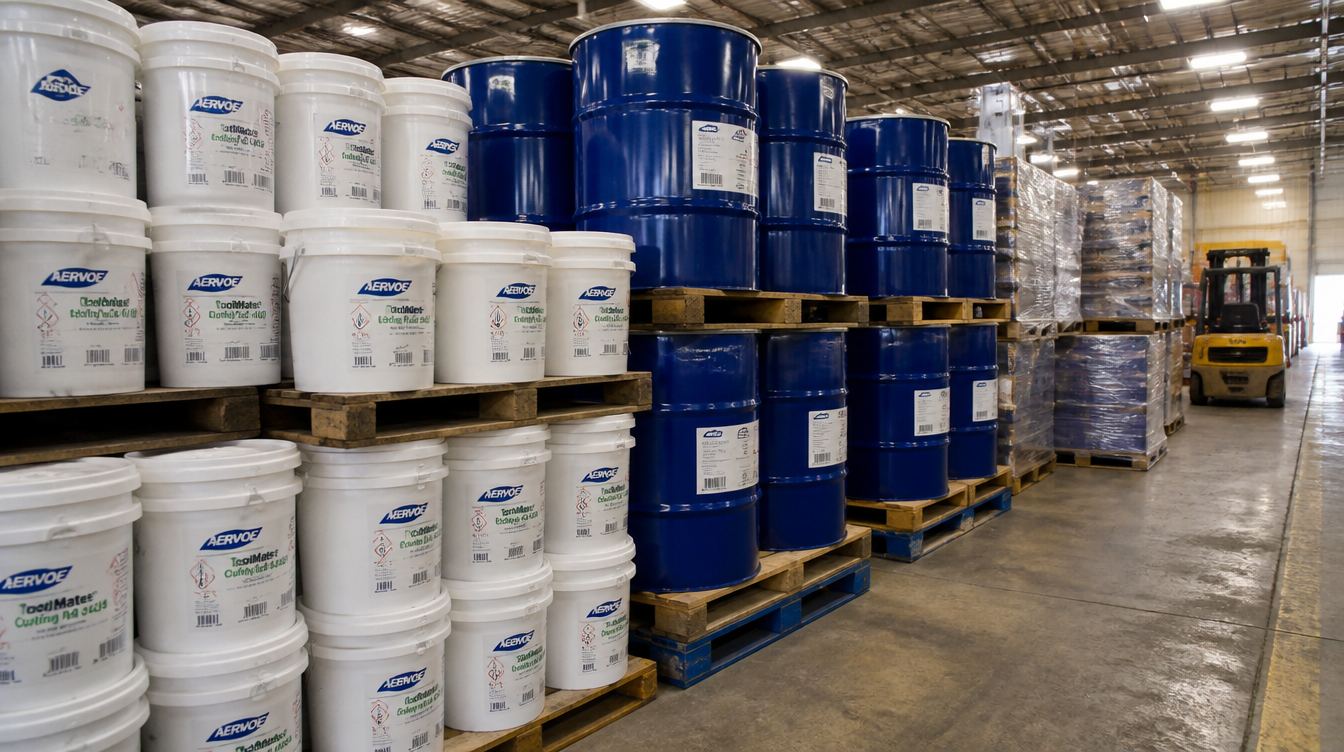
Importing lubricant oil into Vietnam — whether for distribution or as an input for your own OEM production line — requires deeper technical knowledge than typical goods: technical standards (API, ACEA, JASO), base oil and additive composition, and chemical-import regulations.
The Three Most Common Needs
- Importing finished lubricant oil for distribution — requires a reliable supplier matching the technical standard on the label
- Sourcing Base Oil and additives for a domestic blending facility — requires a stable supply matching exact specifications
- Finding an OEM lubricant factory for your own brand — see DA Global Sourcing's OEM Lubricants page for details
The Process for Importing Lubricant Oil to Vietnam
Beyond standard import steps (HS code determination, duty calculation, document preparation), lubricants and industrial chemicals typically also require: a Material Safety Data Sheet (MSDS), a Certificate of Analysis (CoA), and in some cases conformity declaration before the product can be sold. DA Global Sourcing handles all of these requirements alongside the main import process.
Sourcing Hydraulic Oil and Common Viscosity Grades
For specific needs like AW32/AW46/AW68 hydraulic oil or common engine oil viscosity grades, DA Global Sourcing sources directly from the manufacturer or base-oil supplier rather than through multiple layers of middlemen — giving you better control over both price and long-term supply stability.
Where This Connects to OEM Lubricant Services
If the goal isn't just importing raw material but building your own lubricant brand, this is exactly where sourcing/import services meet OEM — DA Global Sourcing has run real OEM lubricant projects, with the detailed process covered in our OEM Lubricant Insights section.
Frequently Asked Questions
Does importing lubricant oil require a conformity declaration?
Depends on the product type and intended use — DA Global Sourcing checks the specific requirement before import to avoid surprises once goods reach port.
Can I import a small quantity to test the market first?
Often yes, depending on the supplier and their MOQ — DA Global Sourcing helps negotiate a volume matched to a market-testing phase.
What's the difference between importing finished oil and doing OEM?
Importing finished product means buying an existing product to distribute; OEM means developing your own formula/brand and having a factory manufacture it to your spec — the two models differ significantly in process and cost.