
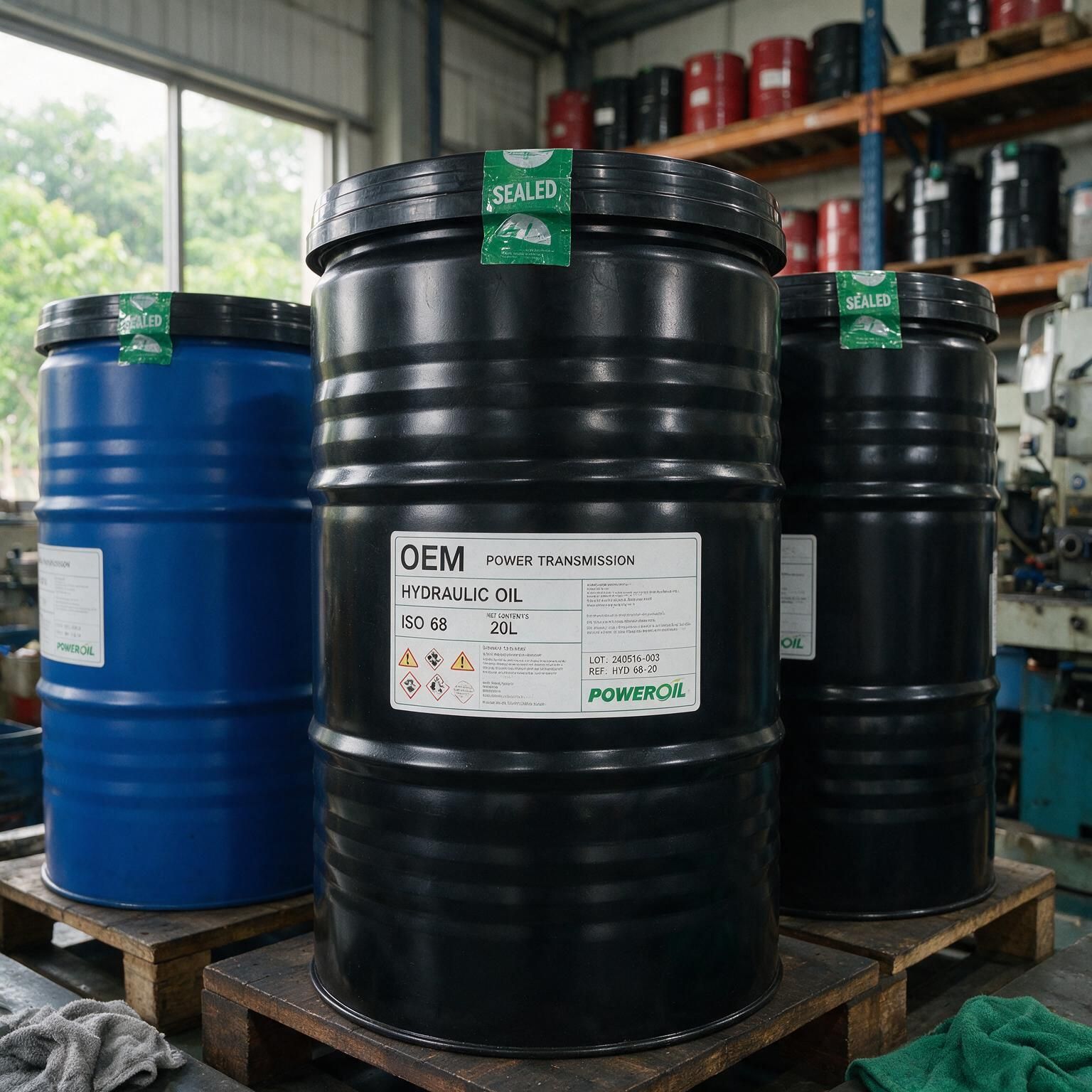
It is easy to assume that a strong, trusted brand must own the factory behind it. In reality, across almost every consumer industry — footwear, electronics, apparel, cosmetics, and yes, lubricants — many of the world's most recognizable brands built their reputation first, and their manufacturing footprint second, if at all.
This is not a shortcut or a compromise. For most global brands, it was the actual strategy.
The Pattern Behind Many Global Brands
Look closely at how large consumer brands scale internationally, and a common pattern appears: the company that owns the brand name is rarely the same company operating the production line. Contract manufacturing, OEM partnerships and private label arrangements sit quietly behind a huge share of the products on store shelves worldwide.
The brand owner focuses on what customers actually experience — product performance, packaging, pricing, availability and trust. The manufacturing partner focuses on what the brand owner usually doesn't need to master alone: formulation consistency, production scale, and quality systems.
Why This Model Works at Global Scale
Owning factories in every market a brand sells into would require enormous capital, local regulatory expertise, and manufacturing management in every single region — resources that would slow expansion rather than support it. Partnering with established manufacturers lets a brand enter new markets, test new products and scale production up or down without carrying that fixed cost everywhere it operates.
This is exactly the same logic that applies to a new lubricant brand entering Vietnam, Southeast Asia, or any export market: the brand can move at the speed of its market opportunity, not at the speed of its own construction projects.
What Global Brands Focus On Instead
Freed from operating factories directly, brand owners can concentrate their capital and attention on the things that actually build long-term value: product strategy, brand positioning, distribution relationships, marketing, and customer trust. These are the assets that are hard to copy — a factory, by contrast, can often be replicated or outsourced by a competitor almost immediately.
Manufacturing Partners Still Matter — a Lot
None of this means manufacturing is unimportant. Global brands that succeed with this model are usually extremely disciplined about who they manufacture with — auditing factories, defining strict quality specifications, and building long-term relationships with a small number of trusted partners rather than chasing the cheapest quote each time. The brand doesn't own the factory, but it never stops controlling the standard the factory must meet.
What This Means for a New Lubricant Brand
If you are planning your own lubricant brand, you don't need to choose between "build a factory" and "compromise on quality." The more common — and more proven — path is the one many global brands already took: build the brand, the specification and the customer relationship yourself, and partner with a qualified OEM manufacturer to deliver the product behind it.
Thinking About Building a Brand This Way?
DA Global Sourcing helps businesses structure exactly this kind of partnership — connecting qualified lubricant manufacturers with brand owners who want to focus on the market, not the factory floor. If you're planning a lubricant brand and want to explore this model, share your target market, product category and estimated volume with us.